
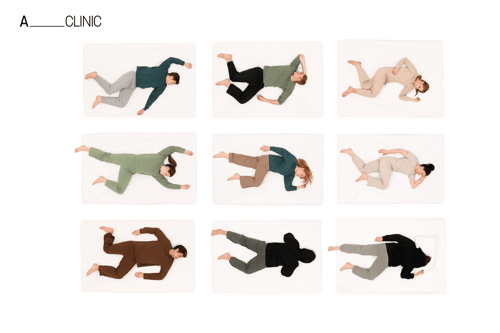

Snoring is often seen as a household problem that disturbs a partner’s sleep. However, in many cases it can be a sign of a serious condition — obstructive sleep apnea (OSA). Sleep apnea is the repeated stopping of breathing during sleep, caused by the collapse of the upper airways. Breathing can pause for 10–30 seconds or longer, followed by loud snoring or a “gasp.” These episodes can happen dozens or even hundreds of times per night.
Why is sleep apnea dangerous?
- chronic fatigue — due to constant awakenings, sleep becomes shallow and unrefreshing
- heart and vascular problems — apnea increases the risk of hypertension, heart attack, and stroke
- reduced memory and concentration — the brain suffers from oxygen deprivation
- diabetes — poor sleep is linked to hormonal imbalance and insulin resistance
- driving risks — daytime sleepiness increases the risk of accidents
Symptoms to watch for
- loud snoring with breathing pauses
- morning headaches
- dry mouth in the morning
- constant daytime sleepiness
- night awakenings with a feeling of breathlessness
Who is at risk?
- men over 40
- people who are overweight
- patients with hypertension
- smokers and alcohol users
- people with anatomical features of the nasopharynx
Diagnosis and treatment
The gold standard for diagnosis is polysomnography (sleep study). Treatment may include:
- weight loss
- quitting smoking and alcohol
- sleeping on the side
- CPAP therapy (a device delivers air under pressure to keep airways open)
- surgical correction in case of anatomical problems
Snoring is not always harmless. Sleep apnea is a serious disease that can lead to cardiovascular complications and shorten life expectancy. If you or your loved ones notice snoring with breathing pauses, consult a sleep specialist or cardiologist.